
Introductory Note
The justice capacity building projects implemented in Ethiopia over the last two decades were jointly designed by the University of Amsterdam and the Ethiopian federal law making, executive and justice institutions, including the former Ministry of foreign Affairs, the federal parliament and the the Attorney General. The projects under review were sponsored by the Government of the Netherlands with the objective of strengthening the rule of law, governance, and the delivery of justice in Ethiopia. After many years of cooperation, the sponsoring organisations and beneficiary institutions agreed on the need to undertake a detailed assessment to evaluate the returns on the human and financial resources invested in capacity building.
The Embassy of the Royal Netherlands in Addis Ababa, which led this initiative, commissioned the Africa-Europe Partnership Institute for Capacity Building and Human Resource Development (AEPICAB) to conduct a comprehensive impact assessment of the implemented justice sector projects. The objective of the assessment is to support informed dialogue on the relevance and effectiveness of capacity building and training initiatives, with a particular focus on their impact on professional performance and institutional capacity.
The report brings together key findings from quantitative and qualitative surveys, as well as observation-based reflections, to guide assessment and learning. It is intended to serve as a reference for the capacity-building community and as an operational guide for future educational and training initiatives. The review offers evidence-based conclusions and recommendations to inform the design, implementation, and resourcing of similar projects in the future.
The report is structured into five parts. Part I outlines the objectives and rationale of the impact assessment within the Ethiopian context and the Netherlands’ development policy framework. Part II presents the methodology, data sources, and key findings. Part III provides observation-based reflections on impact, while Part IV sets out conclusions and recommendations. Part V includes annexes covering implemented projects, alumni lists, surveys, working group discussions from the March 2018 conference in Addis Ababa, and references.
This impact assessment was prepared and conducted by AEPICAB, an independent non-profit organisation based in the Netherlands. The report represents a significant step toward developing a framework for measuring returns on strategic investments in human capital. AEPICAB extends its sincere appreciation to all partners and contributors and welcomes further comments and enquiries at h.s.gebreselassie@aepicab.org.
Haileselassie Gebreselassie (PhD
CEO, AEPICAB
Amsterdam
Read the full Impact Assessment Report here
The rest of this short report provides a concise summary of the findings of the Impact Assessment Conference organised by AEPICAB in March 2018 in Addis Ababa highlighting the key results, conclusions, and recommendations, supported by figures and tables presenting the empirical findings.
I Programme Assessment
Respondents evaluated different aspects of the programmes, including efficiency, selection procedures, and completion rates. In addition to overall efficiency, the assessment highlights the importance of transparent selection procedures and high completion rates as indicators of programme credibility and institutional buy-in. These factors are particularly relevant for capacity-building initiatives aimed at strengthening public-sector justice institutions, where continuity and participant commitment are critical to long-term impact.
Figure 1: Programme Completion Rates
Shows the proportion of participants who successfully completed the capacity-building programmes across different cohorts.
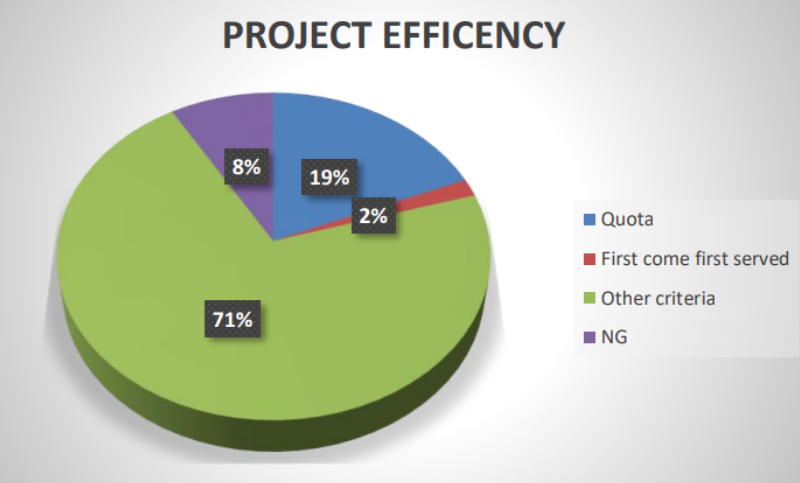
Figure 2: Programme Selection Process
Illustrates participants’ assessment of the transparency and effectiveness of selection procedures for the programmes.
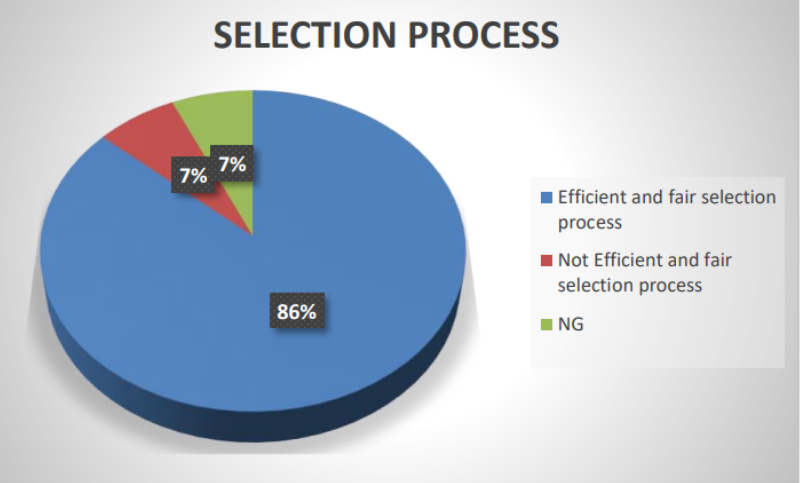
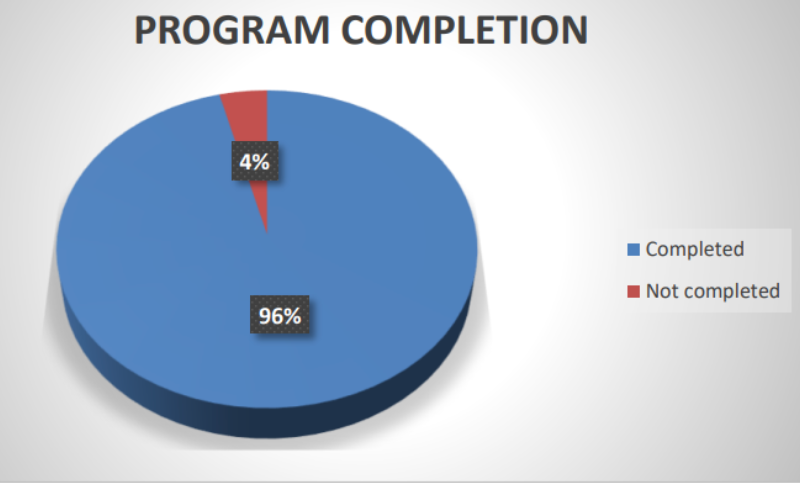
Figure 3: Programme Completion rate
Presents consolidated completion outcomes based on coordination office reports, confirming high completion levels.
II Quantity and Quality of Training
Respondents assessed both the quantity and quality of the training provided through the programmes. The findings suggest that both the volume and quality of training were generally well aligned with participants’ professional needs and expectations. High satisfaction with the expertise and delivery of lecturers further underscores the role of instructional quality in translating training inputs into meaningful professional outcomes.
Figure 4: Perceptions of Training Quantity and Quality
Assesses whether the volume and quality of training met participants’ professional expectations.
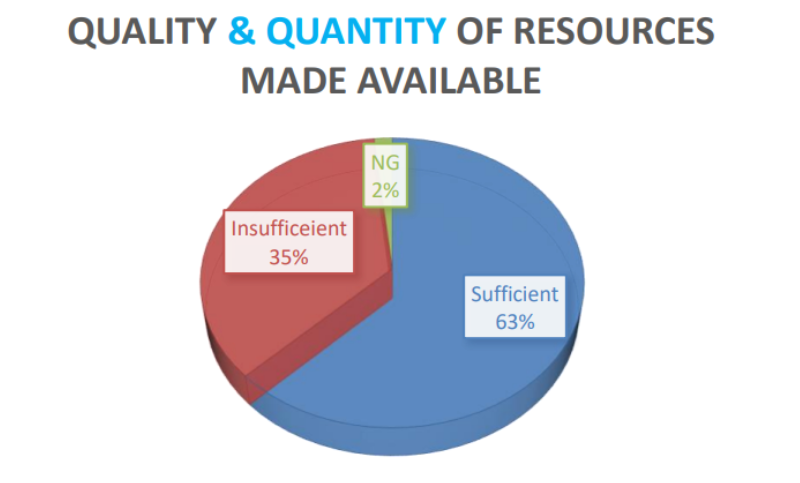
Figure 5: General impression of lecturers
The overwhelming majority of the respondents had a very positive impression regarding the quality of the lecturers and they highly valued their experience, performance and competence from which they have confirmed to have benefited considerably.
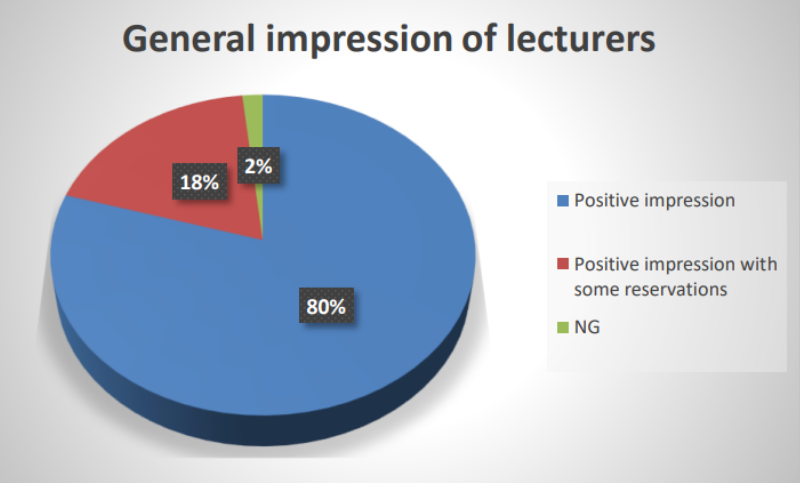
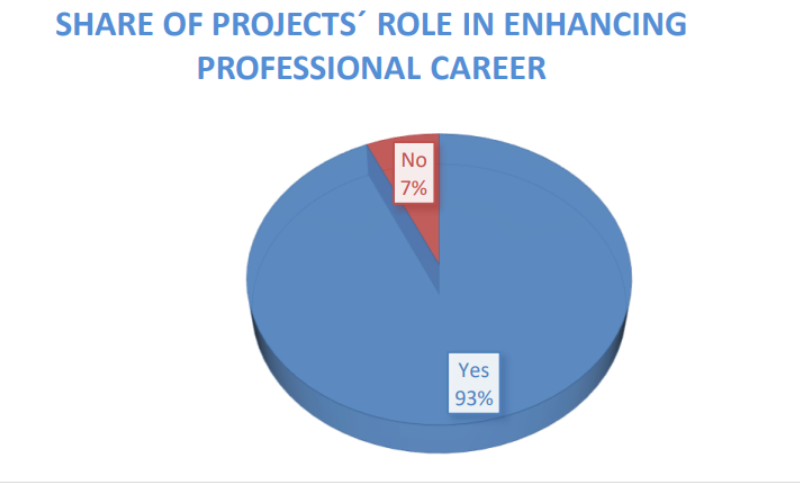
Figure 6 Share of Projects role in enhancing professional career
A much larger percentage of the respondents believe that the capacity building projects have improved the skills and knowledge of the participants and gained new insights and broader perspectives which would have a positive impact in their performance in their respective
III Impact on Skills, Knowledge, and Expertise
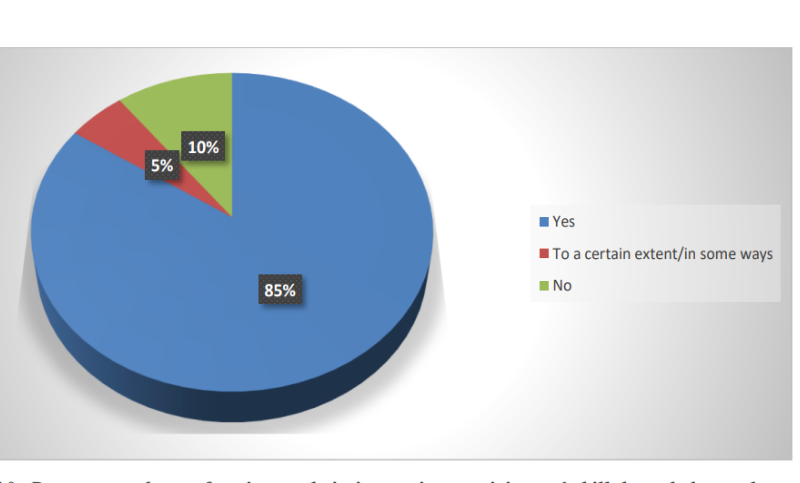
The findings indicate the extent to which the projects contributed to improving participants’ professional skills, knowledge, and expertise. Evidence from the assessment indicates that the programmes contributed significantly to enhancing participants’ substantive knowledge, technical skills, and analytical capacity. Importantly, these gains extended beyond narrow functional competencies, fostering broader professional perspectives relevant to institutional reform and legal development.
Figure 7: Percentage Share of Projects’ Role in Improving Skills, Knowledge, and Expertise
Assesses whether the volume and quality of training met participants’ professional expectations.
VI Organisational Training Plans
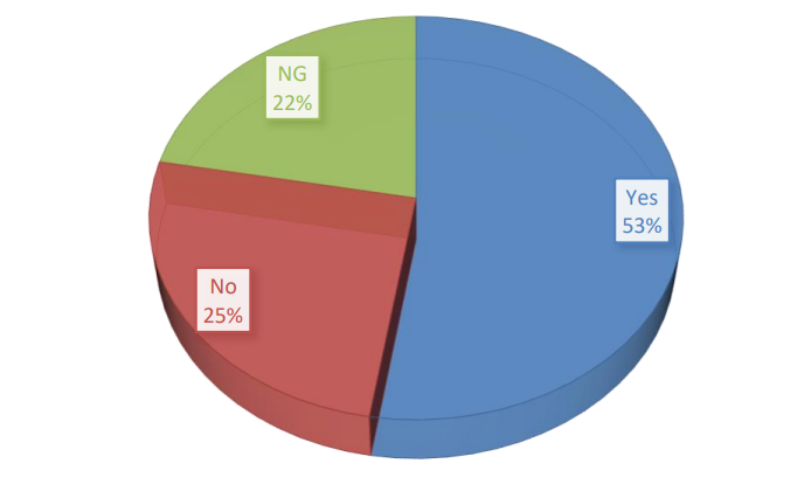
The assessment also considered whether participants’ organisations had specific plans for continued training and education.
Figure 9: Responses on Organisational Training and Education Plans
Indicates whether sponsoring institutions had structured plans for continued training and professional development.
V Further Education and Career Development
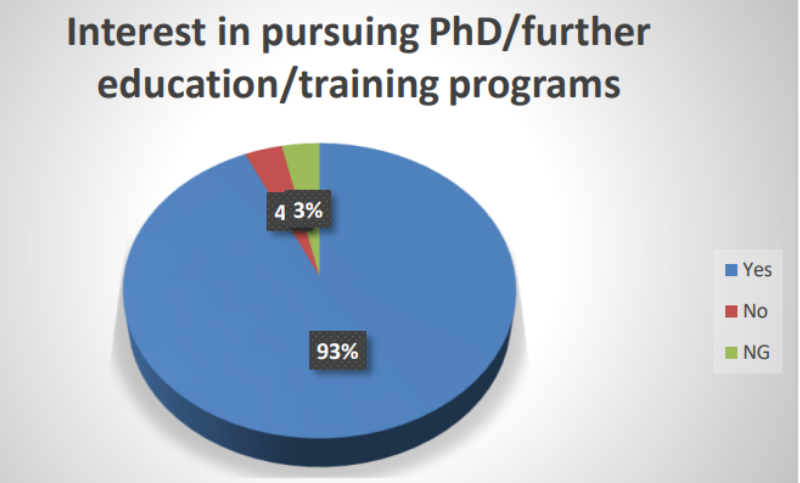
The report documents participants’ interest in pursuing further education and advanced training, including doctoral studies. The expressed interest in further education and advanced training reflects the programmes’ catalytic effect on professional ambition and long-term career planning. At the same time, this trend underscores the importance of linking capacity-building initiatives to clear career pathways within sponsoring institutions.
Figure 10 Share of Participants Interested in PhD or Further Education and Training
Shows the share of participants interested in pursuing further studies, including PhD-level education.
Conclusion
The Impact Assessment Conference findings demonstrate that the capacity-building projects implemented between 1992 and 2018 made a significant and sustained contribution to strengthening skills, knowledge, and professional capacity within Ethiopian justice sector institutions. Overall, participants reported positive outcomes in programme efficiency, relevance, and quality, as well as meaningful opportunities to apply acquired competencies in their professional roles. The continued employment of a substantial proportion of participants within sponsoring organisations further indicates institutional retention of capacity gains. While areas for improvement remain—particularly in ensuring structured follow-up, organisational training plans, and long-term sustainability—the assessment confirms the overall effectiveness and strategic value of these capacity-building initiatives and provides a strong evidence base to inform future programme design, funding, and policy dialogue.